



Skip to content
– نظام إدارة المعلومات المختبرية
  • Home
  • About
  • Benefits
  • Functionalities
  • Story
  • Vision 2030
  • Services
– نظام إدارة المعلومات المختبرية

info@labsystems.sa

Our Site is being Enhanced

+966 13 893 6616

  • Home
  • About
  • Benefits
  • Functionalities
  • Story
  • Vision 2030
  • Services
Menu
  • Home
  • About
  • Benefits
  • Functionalities
  • Story
  • Vision 2030
  • Services
Inquire

Water &
Environmental LIMS

A Laboratory Information Management System Built for Water Quality, Environmental Monitoring & Regulatory Compliance

Environmental and water testing laboratories in Saudi Arabia operate under constant pressure, high sample volumes, strict chain-of-custody requirements, instrument-heavy testing, and close regulatory scrutiny.

A Water & Environmental LIMS provides the structure required to manage these complexities without compromising data integrity, traceability, or audit readiness.

This page explains how water and environmental laboratories actually work, where failures typically occur, and how a LIMS supports compliant, scalable operations in Saudi Arabia.

How Water & Environmental Laboratories Operate in Saudi Arabia

Water and environmental laboratories support drinking water analysis, wastewater monitoring, industrial effluent testing, soil and sediment analysis, and environmental surveillance programs. Daily operations usually involve:

● Field sampling teams collecting large batches of samples under strict preservation rules
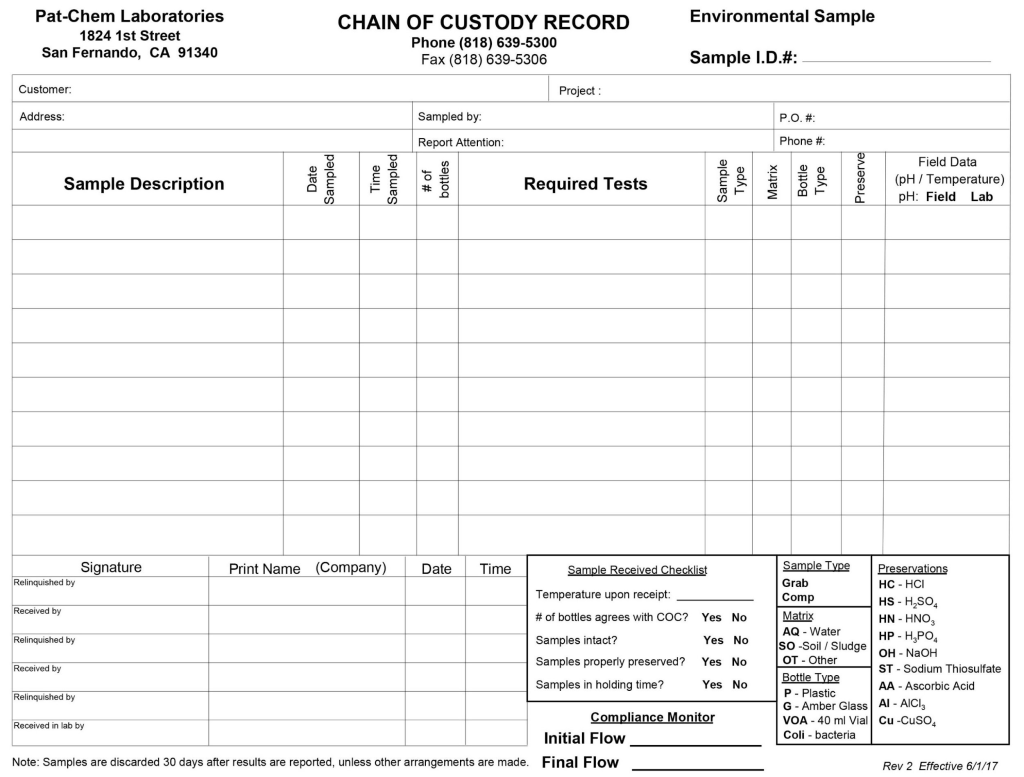
●Chain-of-custody documentation from collection point to laboratory reception
● Multiple sample matrices requiring different preparation and analytical methods
●Heavy use of instruments such as ICP-OES, ICP-MS, GC-MS, spectrophotometers, TOC analyzers, and meters
●Regulatory reporting deadlines tied to public health and environmental enforcement

In many labs, these activities are still partially tracked using paper forms, spreadsheets, and disconnected systems creating risk as sample volumes grow.

Industry Reality Metrics (Environmental Labs)

Based on observed operational patterns in mid-size water and environmental laboratories:

● 80–200 samples per day during routine operations
● 10–20% of samples require rework due to pre-analytical issues
● 15–30% of test results require secondary verification
● 40% of audit observations relate to traceability or documentation gaps
● 48–120 hours average turnaround time for regulated environmental tests

These metrics highlight why manual systems become unstable as workload increases.

Common Failure Points in Water & Environmental Laboratories

Sample Intake & Chain-of-Custody Breaks
Missing field data, incorrect sample IDs, or incomplete custody records can invalidate results and force resampling.
Matrix & Method Selection Errors
Different matrices (water, wastewater, soil, sludge) require different preparation and methods. Manual selection increases the chance of incorrect method assignment.
Instrument Calibration Gaps
Unlinked calibration records or expired certificates undermine result credibility during audits.
Manual Result Transcription
Copying results from instruments into spreadsheets or reports introduces transcription errors and removes audit transparency.
Fragmented Data Storage
Field logs, test results, reports, and calibration records stored separately weaken the overall data trail.

Regulatory & Audit Expectations in Saudi Arabia

Water and environmental laboratories in Saudi Arabia are expected to demonstrate:

● Complete chain-of-custody from field collection to final report
● Verified instrument calibration and maintenance history
● Method validation or verification records
● Data integrity controls showing who changed what and when
● Traceable, reproducible, and defensible analytical results

Auditors focus less on test outcomes and more on process control and documentation integrity.

Implementation Reality for Environmental Labs

Implementing a Water & Environmental LIMS typically includes:

● Process mapping and method configuration
● Instrument integration and validation
● Parallel testing during transition
● Staff training and SOP updates

Most mid-size laboratories complete implementation within 3–6 months, depending on instrument count and regulatory scope.

Where a LIMS Fits into Environmental Lab Operations

A LIMS does not replace laboratory expertise it controls and documents how work is done.

Laboratory Activity

Without LIMS

With LIMS

Field sampling

Paper custody forms

Digital chain-of-custody

Accessioning

Manual entry

Barcode-based registration

Testing

Manual tracking

Structured test assignment

Instruments

Standalone outputs

Integrated result capture

Calibration

Paper certificates

Linked calibration records

Reporting

Multiple file copies

Controlled report versions

Core LIMS Workflows for Water & Environmental Labs

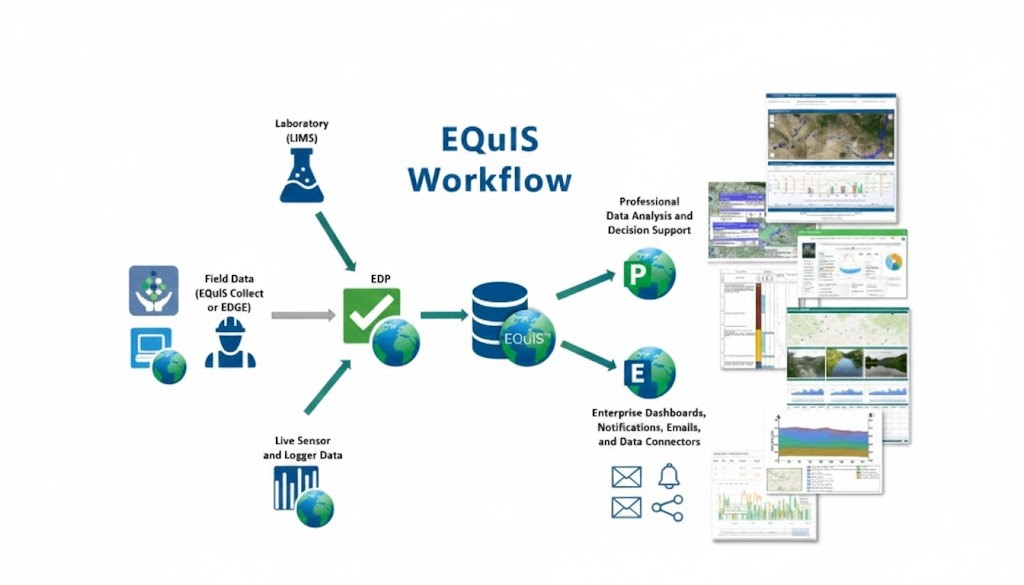
Sample Lifecycle Management


Each sample is registered with mandatory metadata: matrix, collection time, preservation, holding time, and custody history. Missing data is flagged before testing begins.

Field-to-Lab Chain-of-Custody


Digital custody records preserve collection details, transfer timestamps, and responsibility handovers eliminating paper loss.

Instrument Integration


Results from analytical instruments are captured automatically and linked to sample IDs, reducing transcription errors and ensuring traceability.

Calibration & Quality Control


Calibration schedules, certificates, and QC checks are attached directly to instruments and test results.

Review, Approval & Reporting


Role-based approvals ensure results are reviewed, authorized, and released with full audit trails.

When a Water & Environmental LIMS
Is - and Is Not - Needed

LIMS is recommended when:

● Sample volumes exceed manual control limits
● Regulatory audits require defensible traceability
● Multiple instruments and analysts are involved

LIMS may not be required when:

● Sample volumes are very low
● Regulatory oversight is minimal
● Growth is not anticipated

This distinction builds realistic expectations.

Decision Mapping: Choosing the Right Approach

Decision

Short-Term Effect

Long-Term Impact

Continue with spreadsheets

Low initial cost

Growing audit and data risk

Partial automation

Faster setup

Fragmented traceability

Full LIMS rollout

Higher initial effort

Stable, compliant operations

Outsource testing

Avoids system cost

Loss of control & delays

This table reflects how most environmental labs reach a LIMS decision.

Failure Frequency Map

Failure Type

Frequency

Severity

Continue with spreadsheets

Medium

High

Manual transcription

High

High

Missing calibration records

Low–Medium

Critical

Broken custody trail

Low–Medium

Critical

Disconnected field data

Medium

Medium

These failures are consistently cited during audits.

Measurable Operational Outcomes

Environmental laboratories using a structured LIMS typically achieve:

● Reduced rework and resampling
● Faster regulatory audits
● Consistent reporting formats
● Clear accountability at every stage
● Long-term data integrity and retrieval

These outcomes matter more than software features.

Water & Environmental LIMS Deployment in Saudi Arabia

Deployment options include cloud-hosted or on-premise systems, depending on data residency and organizational policy. Configurations can support Arabic reporting formats, regional compliance needs, and scalable multi-site operations across the Kingdom.

Laboratory Information Management System

With πLIMS, you’re not just buying software — you’re investing in a trusted, locally developed system that grows with your business and advances the Kingdom’s vision for a sustainable, knowledge-driven future.

Useful Links

  • Home
  • About us
  • Benefits
  • Functionalities
  • Vision 2030
  • Services
  • Contact Us
  • Blog
  • Copyright Certificate
  • Trademark Certificate
© Copyright πLIMS All Rights Reserved
  • Academic and Research Laboratories LIMS
  • Blogs
  • Calibration & Metrology LIMS – Saudi Arabia
  • CBD / THC / Controlled Substance Testing LIMS
  • CBD / THC / Narcotics Testing LIMS – Saudi Arabia

© 2026 - نظام إدارة المعلومات المختبرية - WordPress Theme by Kadence WP

  • Home
  • About
  • Benefits
  • Functionalities
  • Story
  • Vision 2030
  • Services